It sounds impossible. That's why it's necessary.
Every Nigerian knows the feeling.
You return home and immediately check whether there is electricity. When the power eventually comes on, everyone rushes to charge their phones, laptops, power banks and rechargeable lamps before it disappears again.
For many of us, this has become so normal that we rarely stop to consider how abnormal it actually is.
Electricity is not merely another convenience. It powers the systems on which modern life depends: hospitals, schools, banks, telecommunications networks, factories, supermarkets and small businesses.
It powers the POS terminal used by a roadside merchant, the freezer preserving a trader's goods, the equipment used by a tailor or barber, the laptop of a remote worker, the cold room storing agricultural produce and the medical devices keeping patients alive.
Even the technologies transforming Nigeria, such as fintech, e-commerce, digital healthcare, logistics and artificial intelligence, cannot function without reliable electricity.
Yet the infrastructure powering all of this remains inadequate.
In 2024, only 62.5% of Nigerians were recorded as having access to electricity. Access itself also does not always mean reliable or sufficient supply. Millions of people who are technically connected to electricity still experience frequent outages, limited hours of supply and voltage instability.
Nigeria has more than 230 million people, but the amount of electricity delivered through the national grid regularly remains only a few thousand megawatts. In the fourth quarter of 2025, average hourly grid generation was approximately 4,453 MW.
This is not a problem that appeared yesterday. It has developed over generations and cannot be completely reversed overnight.
Providing dependable electricity is fundamentally a public responsibility, and government institutions must continue expanding and improving the country's generation, transmission and distribution infrastructure.
But while that work continues, Nigerians still need electricity today.
We therefore face a choice: we can wait indefinitely for one central system to solve the entire problem, or we can begin building complementary solutions that improve people's lives now.
That is why NeighbourWatt needs to exist.
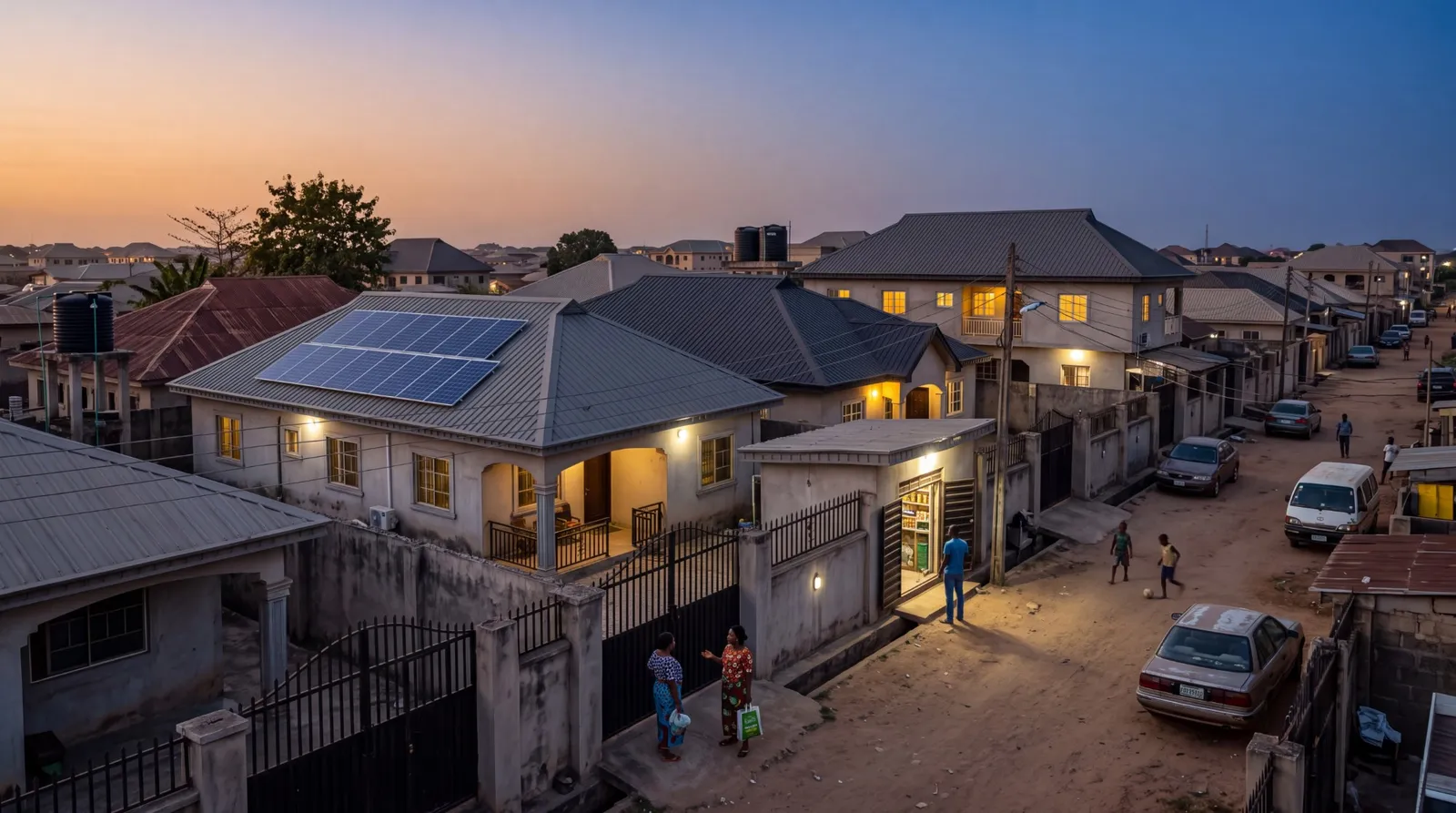
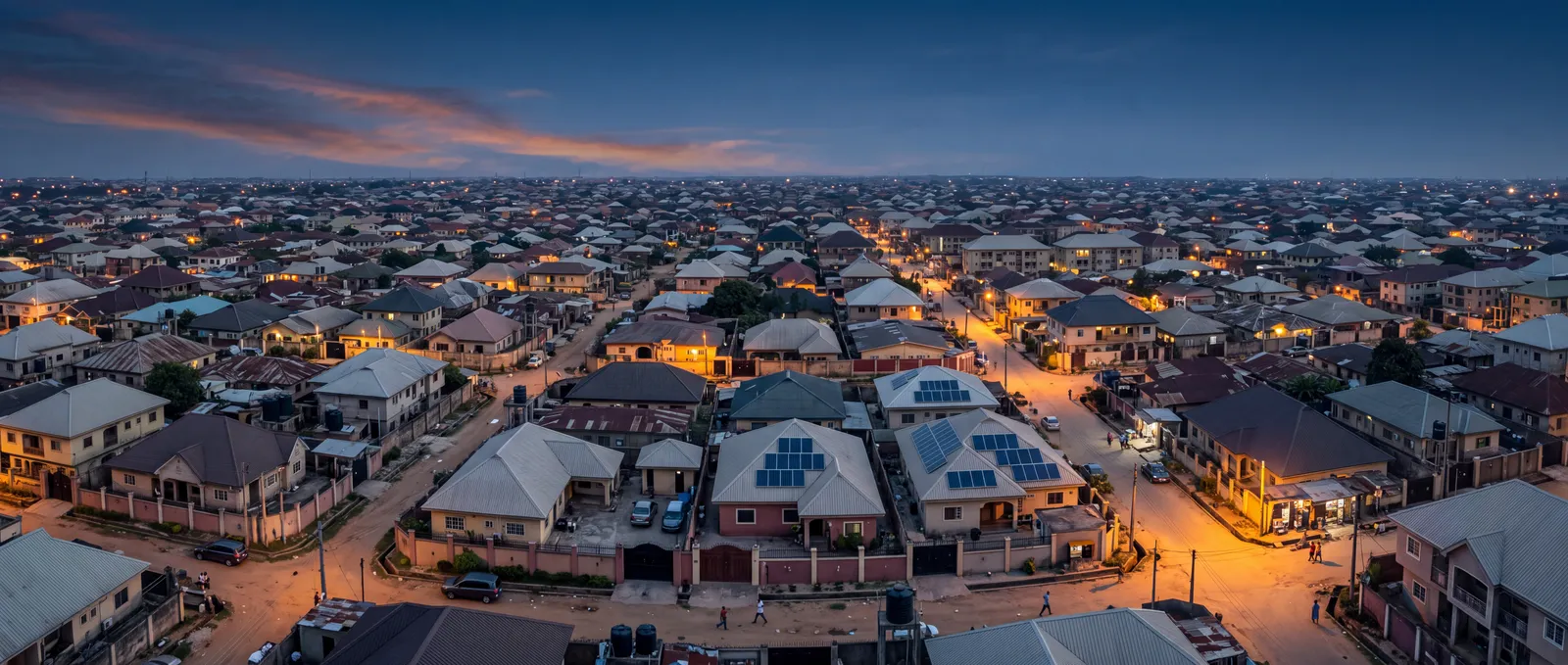
NeighbourWatt is not intended to replace the national grid entirely. It is designed to complement it, reduce pressure on it and give communities another path towards reliable electricity.
We know the journey will not be simple.
There will be technical limitations, regulatory questions, financing challenges and lessons that can only be learnt by working directly with communities. We do not claim to have solved every part of the problem already.
But difficult does not mean impossible.
And when a problem affects nearly every part of people's lives, attempting to solve it is not merely ambitious.
It is necessary.
This is the challenge NeighbourWatt has chosen to accept.
Watch this space as we build, test and discover how far shared energy can take Nigerian communities.